October 06, 2026
Thai Culture, Temples and Heritage Experiences in Phuket
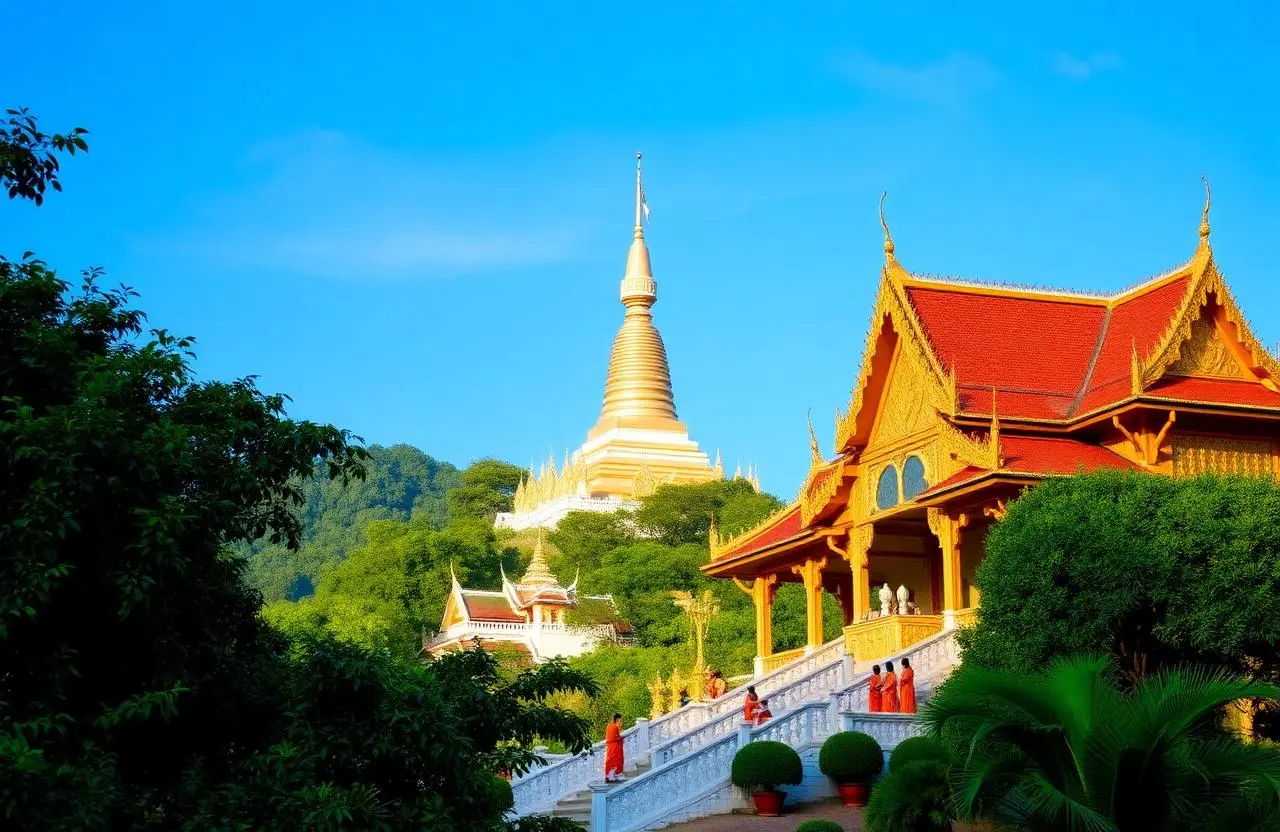
Phuket is famous for its beaches, but the island’s rich Thai culture, temples and heritage experiences are what give it depth and spirit. If you want more than sand and sea, exploring temples, Old Town architecture and local rituals will connect you with the island’s identity. This guide outlines the must-see cultural spots, etiquette to observe, and practical tips to make your visit respectful and memorable.
Highlights you shouldn’t miss
Big Buddha: Perched on Nakkerd Hills, the 45-meter tall Big Buddha is one of Phuket’s most iconic landmarks. The statue is made of white Burmese marble and offers sweeping views across the island. It’s best visited at sunrise or early morning to avoid heat and crowds. Entry is free, though donations support maintenance and the site’s community projects.
Wat Chalong: Phuket’s most important Buddhist temple complex, Wat Chalong is richly decorated and a central place of worship for locals. Admire the ornate chedis, murals, and relics. Many visitors join guided tours to better understand the symbolism and history.
Wat Phra Thong (Half-buried Buddha): Located in Thalang, this temple houses a partially buried Buddha image with a fascinating legend. It’s a quieter site but offers insight into regional beliefs and stories that add layers to Phuket’s heritage.
Phuket Old Town and Sino-Portuguese architecture: Wander along Thalang Road and the surrounding lanes to see colorful shophouses, colonial-era mansions like Chinpracha House, and museums such as the Phuket Thai Hua Museum. The district reflects Phuket’s Chinese-Portuguese past and is a hub for cafes, galleries and weekend markets.
Rituals and living traditions
Alms giving: In the early morning, it’s common to see locals offering food to Buddhist monks. If you observe this ritual, be discreet and respectful—use a guide to understand appropriate behavior. Photographing is sometimes allowed but best done from a distance unless you have consent.
Temple etiquette: Modesty is essential. Cover shoulders and knees; remove shoes before entering shrine halls. Some inner sanctums prohibit photography—watch for signs. Women should not touch monks or hand objects directly to them; pass items via an assistant or place them in a bowl when instructed.
Festivals to experience
Vegetarian Festival (October): Phuket’s famous festival features processions, street food and intense ritual performances rooted in Chinese-Thai communities. Visitors should remain respectful, avoid risky close-ups of extreme body piercing rituals, and enjoy the vegetarian fare.
Songkran (April) and Loy Krathong (November): Songkran—the Thai New Year—is celebrated with joyful water events around the island. Loy Krathong invites participants to float small decorated baskets on water as a symbolic act of letting go. Both events offer immersive cultural experiences but expect crowds.
Tours and immersive experiences
- Half-day culture tours: Often combine Big Buddha, Wat Chalong and a scenic viewpoint—ideal if you’re short on time.
- Old Town walking tours: Great for learning about Sino‑Portuguese architecture, street art and local culinary spots.
- Thai cooking classes: Learn to prepare authentic dishes and gain culinary insights into local culture.
- Handicraft workshops: Try batik, woodcarving or fruit carving for a hands-on cultural souvenir.
Practical tips for visitors
- Dress code: Bring a lightweight scarf or sarong for temple visits. Choose shoes that are easy to remove.
- Best time to visit: Early morning or late afternoon for cooler temperatures and better light for photos. Weekends and festival days will be busier.
- Getting around: Grab is reliable for taxis. Renting a scooter gives freedom but requires caution—Thai traffic can be unpredictable. For short trips, tuk‑tuks and motorbike taxis are convenient.
- Costs and donations: Most temples are free to enter, but donations are customary. Museums and special houses often charge a modest fee (usually 50–200 THB).
- Cultural manners: Learn the basic “wai” greeting (palms together, slight bow). Avoid pointing feet at people or religious images and never touch a Thai person’s head—it’s considered rude.
- Photography: Always ask permission before photographing people, especially monks and worshippers. Respect “no photo” signs in shrines.
Safety and respect
Keep hydrated and wear sun protection when moving between sites. Treat spiritual sites with reverence—loud behavior, climbing on statues, or disrespecting symbols can offend both residents and monks. If you’re invited to participate in a blessing, follow the lead of locals or your guide.
Why it matters
Exploring Phuket’s cultural sites enriches your trip, moving it beyond postcard images to a fuller understanding of local life. Temples, festivals and Old Town streets reveal stories of immigration, trade, religion and resilience. By visiting thoughtfully—dressing appropriately, learning simple phrases and observing etiquette—you’ll leave with sharper memories and meaningful connections to Phuket’s living heritage.