November 15, 2026
Thai Culture, Temples & Heritage Experiences in Phuket
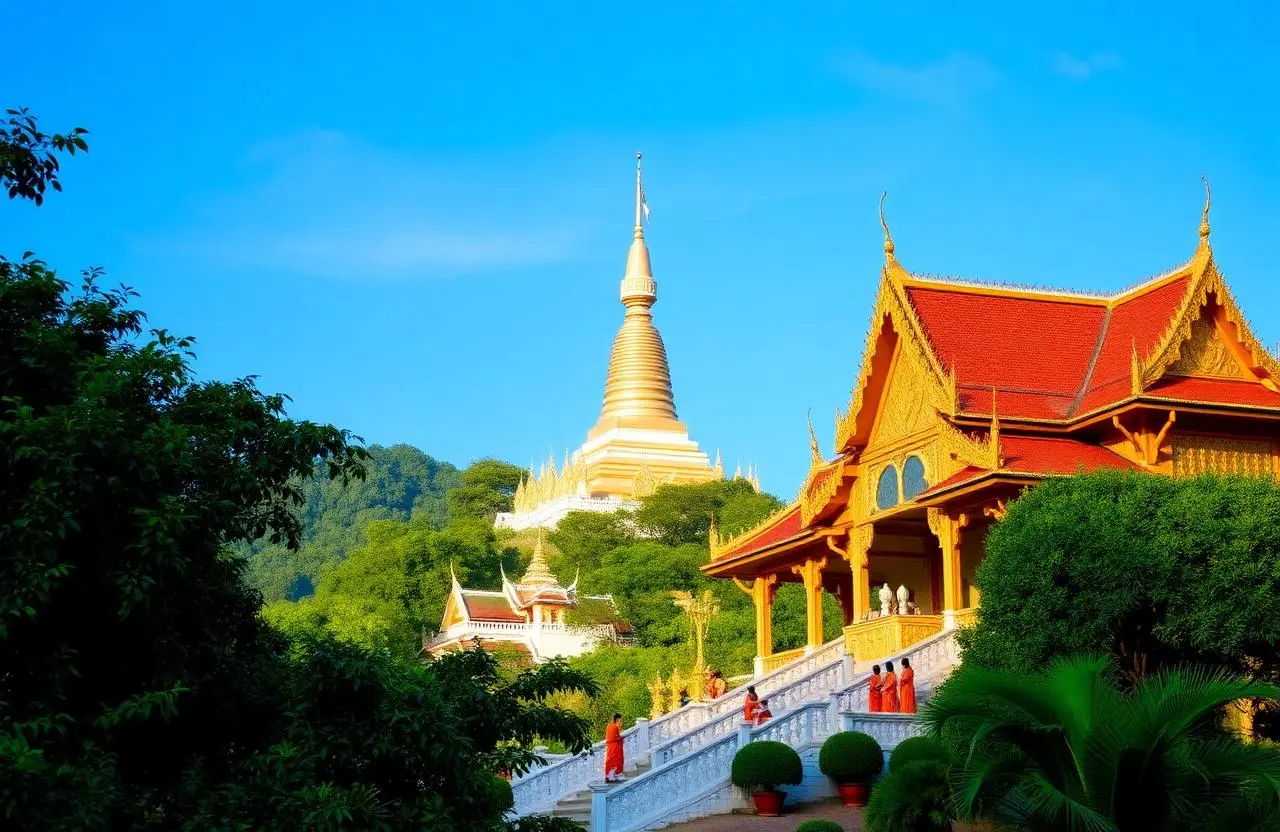
Phuket is more than palm trees and beaches — it’s a lively crossroads of Thai culture, Buddhist temples, and rich heritage. On this southern Thai island you’ll find grand wats, Sino-Portuguese streets, Chinese shrines and community traditions that reveal the island’s layered history. This guide helps you navigate the best cultural and heritage experiences in Phuket, with practical tips for respectful visits.
Why Phuket’s culture stands out
Historically a trading hub and tin mining center, Phuket attracted Malay, Thai, Chinese and European settlers. This mix created the island’s distinct cultural identity: Theravada Buddhism, Chinese-Thai communities, and the colorful architecture and cuisine of Old Phuket Town. Exploring these traditions offers a deeper understanding of daily life here.
Must-see temples and sacred sites
- Wat Chalong (Wat Chaiyathararam): Phuket’s most famous and important temple complex, Wat Chalong is a center for worship and community ceremonies. Its ornate stupas and relic halls draw both pilgrims and visitors.
- The Big Buddha (Phra Puttamingmongkol Akenakkiri): Sitting on Nakkerd Hill, the imposing white marble Buddha overlooks the island and is a peaceful spot for reflection. It’s especially popular at sunrise and sunset for views.
- Wat Phra Thong: Known for the half-buried golden Buddha legend, this smaller temple is charming and steeped in local lore.
- Chinese shrines (e.g., Jui Tui Shrine): Phuket has several Chinese temples and shrines reflecting the island’s large Chinese-Thai population. These are lively during festivals and full of symbolic decor and incense.
Heritage and Old Town experiences
- Old Phuket Town: Wander Thalang Road and nearby streets to discover well-preserved Sino-Portuguese buildings, cafes, galleries, and local shops. Architecture lovers will appreciate the colorful facades and ornate details.
- Phuket Thai Hua Museum: A good introduction to the island’s Chinese heritage and social history. It helps place the local culture into a broader historical context.
- Weekend markets and Sunday Walking Street (Lard Yai): Stalls with crafts, local snacks and street performances make these a lively place to experience food culture and purchase artisan goods.
Hands-on cultural activities
- Thai cooking classes: Many cooking schools include a market visit followed by hands-on lessons preparing authentic Thai dishes. These classes offer both culinary skills and cultural context.
- Craft and ceramic workshops: Engage with local artisans to learn traditional crafts, a hands-on way to support local makers and take home meaningful souvenirs.
- Alms-giving and monk observation: Early morning alms-giving is a visible practice of Theravada Buddhism. Some tours allow respectful observation; if you participate, follow local guidance and rules.
Temple etiquette and practical tips
- Dress code: Cover shoulders and knees in temples. Carry a lightweight shawl or sarong if you plan to visit multiple sites.
- Remove shoes: Shoes are taken off before entering most temple buildings. Wear slip-on shoes for convenience.
- Photography: Many sites allow photos, but avoid photographing private rituals or people without permission. Look for signs or ask staff.
- Respectful behavior: Don’t touch Buddha images or monks; women should not touch monks or pass items directly to them. Avoid pointing feet at sacred objects and don’t touch anyone’s head.
- Donations: Many temples have donation boxes or suggested donations for upkeep. Fees vary by site; small contributions help conservation and local communities.
Timing, transport and safety
- Best times to visit: Early morning is cooler and quieter for temples. Sunset is ideal at hilltop sites like the Big Buddha. High season (November–April) is busiest; rainy season (May–October) can be quieter but wetter.
- Getting around: Taxis, tuk‑tuks and rental scooters are common. Traffic and narrow streets can make driving challenging; if you’re unfamiliar with motorbikes, consider hiring a driver or joining a guided tour.
- Guided tours: Local guides add cultural context that deepens the visit. Small group heritage tours and temple circuits can be very informative.
Responsible travel and cultural sensitivity
Support local businesses, avoid single-use plastics at markets, and choose community-based experiences whenever possible. Stay mindful when photographing people and ceremonies, and prioritize learning over mere sight-seeing — your respectful curiosity directly benefits cultural preservation.
Final thoughts
Phuket’s temples and heritage districts will change how you see the island — from a resort destination into a place with lively spiritual life and layered history. With the right attitude, modest dress, and a willingness to learn from locals, you can experience the depth of Thai culture. Explore Old Town’s streets, listen to temple bells, join a cooking class or workshop, and let the island’s traditions give your trip a richer, more meaningful narrative.