August 25, 2026
Thai Culture, Temples and Heritage Experiences in Phuket
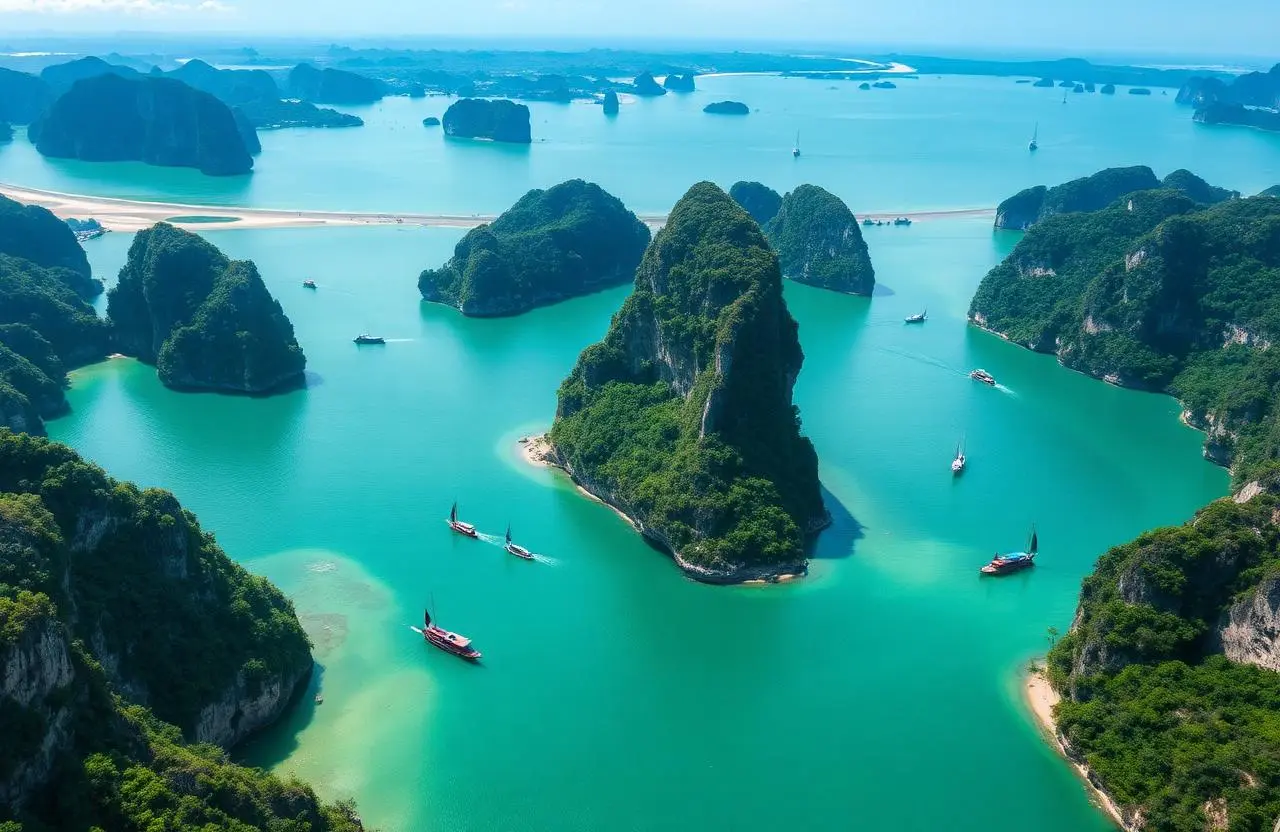
Phuket is famous for its beaches, but its cultural landscape—temples, Chinese-Thai heritage, and lively festivals—offers a profound and enriching experience for travelers who want more than sunbathing. This guide highlights the best ways to explore Thai culture, visit temples respectfully, and enjoy heritage experiences across the island with practical tips to make your trip smoother.
Must-visit temples and spiritual sites
- Wat Chalong: Phuket’s most revered Buddhist temple, known for ornate architecture and a calm, devotional atmosphere. Dress modestly, speak softly, and remove shoes where indicated.
- Big Buddha: Perched on Nakkerd Hill, the giant white Buddha gives panoramic views across Phuket. Visit at sunrise or sunset for stunning light and fewer crowds.
- Chinese shrines and Jui Tui Shrine: Phuket has a significant Chinese community; their shrines are particularly active during the Vegetarian Festival. Respect rituals and avoid flash photography during ceremonies.
Old Phuket Town and Sino-Portuguese Heritage
The Old Town’s colorful Sino-Portuguese shophouses along Thalang Road are a highlight. Wander the side streets to find heritage cafes, local galleries, and boutique shops. On Sundays, the Tha Rua (Thalang Road) market becomes a pedestrian zone with street food, handicrafts and cultural performances—perfect for immersing yourself in local life.
Museums and cultural centers
- Thai Hua Museum explains the Chinese migration to Phuket and the island’s tin-mining past inside a beautiful historic building. It’s a great place to get context before exploring.
- Local art galleries and small museums: Many independent galleries showcase contemporary Thai artists and craft traditions, providing fresh perspectives on local identity.
Festivals and ceremonies to experience
- Phuket Vegetarian Festival (usually October): Known for processions, street altars, and acts of devotion. It’s powerful and sometimes intense; observe respectfully and follow local instructions for safe viewing.
- Songkran (April): The Thai New Year is a nationwide water festival. In tourist areas it becomes playful, but remember to keep temple visits solemn and dress appropriately near religious sites.
- Loy Krathong: Floating baskets with candles and flowers are released into the water—an evocative ritual of gratitude and wishes.
Hands-on cultural experiences
- Thai cooking classes: A hands-on way to learn about ingredients and techniques. Many classes include a visit to a local market—highly recommended.
- Walking tours with local guides: Guided heritage walks of Old Town and temple circuits add historical context and personal stories you won’t get alone.
- Crafts and markets: Look for silk, silver, and local woodcarving. Bargain politely in markets and prioritize fair trade for artisan goods.
Etiquette and practical tips
- Dress code: Shoulders and knees should be covered in temples. Carry a lightweight sarong or scarf for quick cover-ups.
- Removing shoes: Most temples require you to remove shoes before entering certain areas. Slip-on shoes make this easy.
- Photography: Always ask permission before photographing people in religious ceremonies or portraits of monks. Avoid loud behavior.
- Donations: Small donations at temples are common and appreciated; use designated boxes or give discreetly.
- Getting around: Tuk-tuks, taxis, and ride-hailing apps like Grab are convenient. Walking is best for Old Town to soak in the architecture.
- Best times to visit: Early morning is ideal for temples—cooler and less crowded. Avoid the heaviest monsoon months (May–October) for outdoor events.
Safety and conservation
Phuket is generally safe, but keep an eye on personal belongings in busy markets. Respect historic structures—do not climb on or deface heritage buildings. Support community-based tours when possible to ensure tourism benefits local people.
Why culture matters on your Phuket trip
Exploring temples and heritage sites gives you insight into Phuket’s layered identity: a crossroads of Thai, Chinese and colonial influences. Spending time with local guides, learning a few Thai phrases, and showing respect in sacred spaces turns a vacation into a meaningful cultural exchange. Whether you attend a festival, learn to cook a classic dish, or stroll the faded facades of Old Town, Phuket’s cultural side is as rewarding as its beaches.