July 06, 2026
Thai Culture, Temples and Heritage Experiences in Phuket
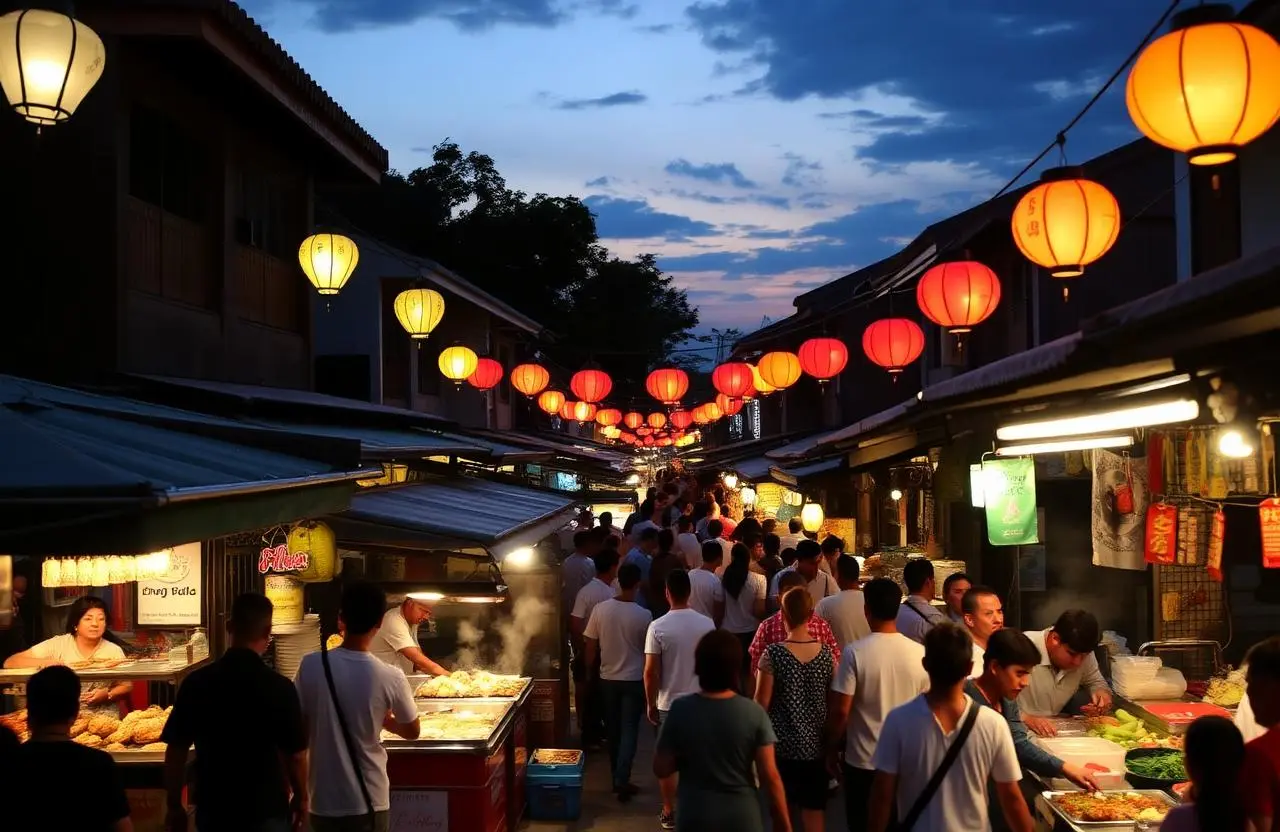
Phuket is more than beaches and nightlife. The island holds layers of Thai culture, ornate Buddhist temples and a rich heritage shaped by Chinese merchants, sea-faring communities and southern Thai traditions. For travelers who want meaning beyond sunbathing, a cultural route that includes temple visits, Old Town walks and local experiences will deepen your understanding and make your trip memorable. Here is a practical and engaging guide to Thai culture, temples and heritage experiences in Phuket.
Why cultural travel in Phuket matters
Cultural travel reveals the values, history and daily life of a place. In Phuket you can see how Buddhism shapes routines, how Sino-Portuguese architecture reflects trade history, and how festivals keep community bonds alive. These experiences foster connection and often lead to personal insights that stay with you long after the vacation ends.
Must-see temples and heritage sites
- Wat Chalong: Phuket's most famous temple is a working monastery with expansive grounds, decorative pavilions and relics that draw both pilgrims and visitors. Watch locals light incense and make offerings.
- Big Buddha (Phra Phutta Mingmongkol Akenakkiri): Perched on Nakkerd Hill, the 45-meter white Buddha offers sweeping views of the island and a peaceful atmosphere for reflection.
- Wat Phra Thong: Known for a half-buried golden Buddha and local legends, this site offers a unique story about faith and history.
- Old Phuket Town: Wander the streets of Thalang and Dibuk to see colorful Sino-Portuguese houses, heritage mansions such as Baan Chinpracha, and the Phuket Thai Hua Museum which explores Chinese-Thai heritage.
- Chinese shrines and Jui Tui Shrine: Phuket's Chinese community plays a central cultural role; their temples are especially vibrant during the Phuket Vegetarian Festival.
Authentic cultural experiences
- Take an early morning temple tour: Mornings are cooler and you’ll often catch monks' morning chants and laypeople offering food.
- Join a guided Old Town walking tour: A guide enriches the stories behind buildings, old businesses and the island’s multicultural past.
- Practice merit-making: Many visitors respectfully participate in giving alms, donating necessities, or offering food to monks. Ask a guide how to do this properly.
- Attend a festival or local performance: The Phuket Vegetarian Festival in October/November is dramatic and spiritually intense; Songkran in April offers playful water rituals. Also look for traditional dance or music events and cooking classes to learn local cuisine.
Temple etiquette and practical rules
- Dress modestly: Cover shoulders and knees. Carry a light scarf or sarong for sudden temple visits.
- Remove shoes before entering shrine buildings. In some covered areas socks are acceptable, but barefoot is often preferred.
- Never touch Buddha images or point your feet toward them. Avoid touching people’s heads, as head is considered sacred in Thai culture.
- Respect monks: Women should avoid physical contact with monks; always step aside when a monk passes in a narrow path.
- Be quiet and respectful: Keep voices low, turn off phone sounds, and follow signage regarding photography.
Practical tips for planning
- Best time to visit: November to April is the dry season, ideal for temple visits and walking tours. Check festival dates in advance if you want to participate.
- Getting around: Taxis, private drivers or guided tours are convenient for cultural sightseeing. Scooter rental is common but be cautious; traffic can be busy and helmets are required.
- Photography: Watch for no-photo signs and be respectful when photographing worshippers. Ask permission when in doubt.
- Money and donations: Many temples accept donations; small bills in sealed envelopes are common. Avoid ostentatious displays and keep valuables secure.
Sample day itinerary
- Morning: Visit Big Buddha for sunrise and a peaceful start.
- Late morning: Explore Wat Chalong and observe local worship.
- Afternoon: Walk Old Phuket Town, visit a museum, and stop at a heritage cafe for lunch.
- Evening: Take a cooking class or enjoy a cultural show that highlights traditional music and dance.
Responsible cultural travel
Support local artisans and museums, respect sacred spaces, and learn before you take photos or join rituals. Choose experiences that benefit local communities and consider hiring local guides to ensure accurate and sensitive interpretation.
Final thoughts
Phuket's temples and heritage sites offer pathways into Thai culture that are spiritual, historical and deeply human. By moving at a respectful pace, observing local customs and engaging with knowledgeable guides, you'll gain insights that transform a holiday into a cultural journey. Whether you come for a single morning at the Big Buddha or a multi-day heritage exploration in Old Town, Phuket rewards curiosity with warmth, history and beauty.